The Arcane Odyssey map is easiest to use when you separate broad sea orientation from one-island problem solving. Start with the Bronze Sea map for early routes, use the Nimbus Sea map for second-sea planning, and open a focused guide when your destination or Treasure Chart becomes specific.
Updated September 8, 2026. Route details, access rules, and game systems can change, so use the current in-game marker as the final check.
Arcane Odyssey Map Guide: Bronze Sea & Nimbus Sea
Quick answer: which Arcane Odyssey map should you use?
Use this page when you need the shape of the world, the difference between Bronze Sea and Nimbus Sea, or a sensible next destination. Use the Arcane Odyssey Island Guide when the question is “which island fits my goal?” Use the Treasure Chart Guide when you are reading a clue. If you already know the island, direction, and distance, go straight to the Treasure Chart Locator instead of treating a broad map as a coordinate solver.
How to read the Arcane Odyssey map in three layers
A useful map answer has three layers. First, identify the sea and the general direction of travel. Second, choose the island by the task you are trying to complete. Third, switch to a focused page or in-game marker for the final location. This prevents a common mistake: searching for an exact chest, secret, or treasure spot while still using a world-level overview.
1. Sea-level orientation
Decide whether the route belongs to Bronze Sea, Nimbus Sea, or a specialized region such as Dark Sea. This determines which nearby islands and travel assumptions are useful.
2. Island-level choice
Use progression, chest farming, Treasure Charts, trainer access, or a named quest as the reason for choosing an island. Do not sail to a famous island just because it is easy to remember.
3. Problem-level solving
Once the island is known, follow a named-island guide, inspect the quest marker, or use the locator. The narrower the question, the less helpful a generic full map becomes.
4. Return-route memory
Record the landmark, coastline, dock, or nearby hub that makes the return trip easy. A route is useful only if you can repeat it after the first visit.
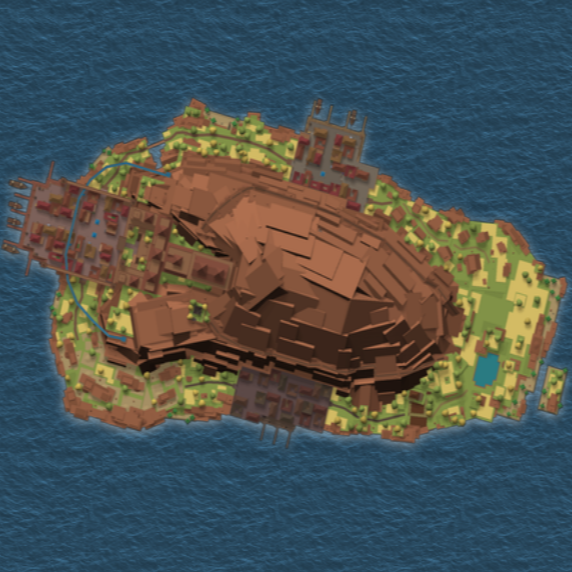
Bronze Sea map: the route-learning region
Bronze Sea is where most players build their basic map memory. It teaches how to read coastlines, recognize a settlement from a wilderness stop, judge whether a cliff or beach is blocking a route, and return to a ship without losing the larger direction. A Bronze Sea route does not have to be the shortest line on a map. It should be a route you can recognize and repeat.
For story progress, follow the active objective first. For free exploration, choose a familiar hub and add one nearby stop at a time. Ravenna, Frostmill Island, Shell Island, Blackreach, and Ierochos can serve different route purposes, but the correct choice depends on the task and the current state of your character. When a Treasure Chart names an island, confirm the island before thinking about the dig surface.
| Bronze Sea map question | Useful decision | Next step |
|---|---|---|
| Where should I go for story progress? | Follow the active quest and use landmarks to confirm the route. | Keep the quest marker as the authority; use the map for orientation. |
| Where should I practice chest routes? | Choose a familiar island with a repeatable loop and short return path. | Read the Chest Locations Guide. |
| Where should I solve a chart? | Match the island name, then read direction and distance literally. | Open the Treasure Chart Locator. |
| Why does the island look wrong? | Check whether you are viewing a similar coastline or a different sea. | Return to the sea-level map layer before digging. |
Nimbus Sea map: plan the purpose before the sailing
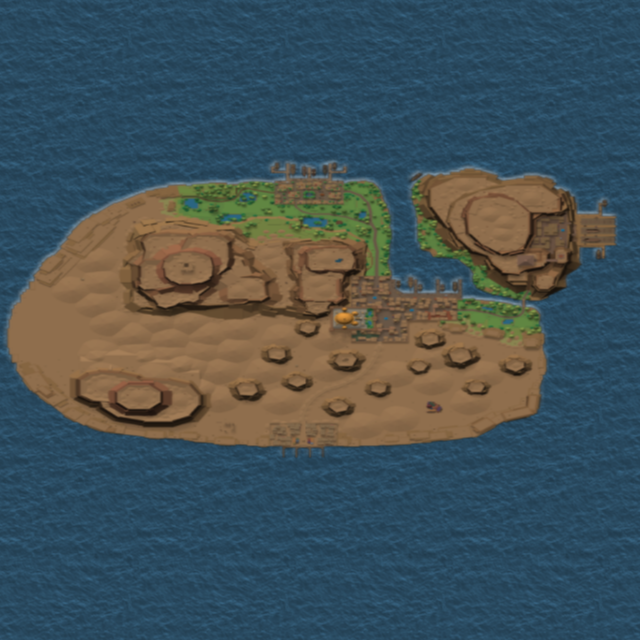
Nimbus Sea changes the map problem. The route is not just “find the next island”; it is “know why this island is worth the trip, what landmark will confirm arrival, and how you will leave.” Larger hubs such as Sameria can be useful for several activities, but that flexibility can also create wandering if you start without a goal.
Before sailing in Nimbus Sea, write down one job: a story objective, a named Treasure Chart, a chest loop, a resource or trainer visit, a secret, or a return trip to a known hub. Then identify one backup landmark. If the first approach is blocked by terrain or the view does not match, the backup landmark tells you whether you are on the wrong side of the island or on the wrong route entirely.
Searches such as “Nimbus Sea map,” “full Arcane Odyssey map,” and “Arcane Odyssey map with sky islands” often mix broad orientation with a specific destination question. Keep them separate. A broad map can tell you where the sea sits; it cannot guarantee a current access rule, a secret entrance, or a final treasure coordinate.
Map guide versus interactive map and treasure solver
This page is an editorial route guide, not a live interactive map. That distinction matters for searchers and for gameplay. The homepage locator lets you choose an island, exact compass direction, and distance band. It is best when you already possess a chart and want a controlled search area. The map guide is best when you are deciding which sea, island group, or focused article to use first.
For Dark Sea hazards, sensing, exit planning, and region-specific navigation, continue to the Dark Sea Map Guide. For a named location, use its focused guide when available, such as the Blackreach Island Guide, Ierochos Island Guide, or Thrylos Crossing Guide.
A repeatable route-planning checklist
- Read the objective or chart name and write down the exact island or region.
- Use the Arcane Odyssey map to confirm the sea and a recognizable approach landmark.
- Choose the destination by task: progress, chest loop, chart, resource, trainer, or secret.
- Plan the return trip before entering a large or vertical area.
- Switch to the narrowest useful page or tool for the final search.
If the route fails, change one variable at a time. Re-check the island first, then the approach direction, then terrain or elevation. Changing the sea, island, and clue interpretation simultaneously makes it impossible to know what was wrong.
FAQ
Is there a full Arcane Odyssey map?
Use this page for broad Bronze Sea and Nimbus Sea orientation. When the question becomes a named island, chest, secret, or Treasure Chart, move to the focused page or locator instead of relying on one giant checklist.
What is the difference between the Bronze Sea and Nimbus Sea?
Bronze Sea is the main route-learning region for early progression and familiar island travel. Nimbus Sea requires clearer purpose and return planning because larger hubs and second-sea objectives make wandering more expensive.
Is this an interactive Arcane Odyssey map?
No. It is a route and destination guide. Use the Treasure Chart Locator for interactive direction and distance filtering on a specific island.
Where should I start if I searched for an Arcane Odyssey Bronze Sea map?
Start with the Bronze Sea section, then choose an island by the task in front of you. The Island Guide is the next step when you need destination advice rather than sea orientation.
Can this replace a Dark Sea map guide?
No. The overview helps with world context, while the dedicated Dark Sea Map Guide handles specialized hazards, sensing, exits, and navigation decisions.
Why does a map search not solve my Treasure Chart?
A map identifies the world and destination. A chart still needs its exact island, direction, distance, elevation, and surface clues. Use the Treasure Chart Guide and locator for that narrower job.
Sources and update note
This guide uses the project-owned Arcane Tools map assets and links to first-party game context plus community reference pages for broad sea terminology. It avoids promising permanent coordinates or access rules because game updates can change route details.